
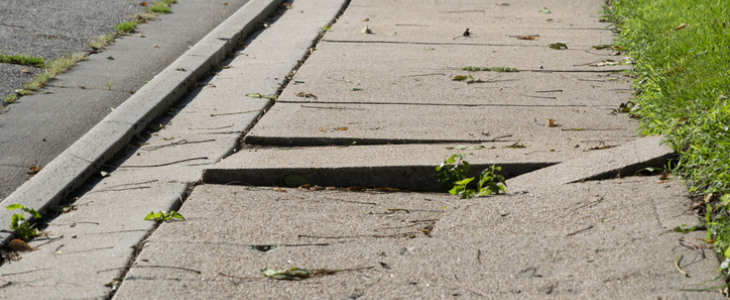
Holding Nassau County Property Owners Accountable for Hazards They Chose to Ignore
Under New York premises liability law, many cases turn on notice—whether the property owner, occupant, or manager knew, or reasonably should have known, about a dangerous condition in time to fix it or warn visitors. Our Garden City personal injury lawyers build that story with evidence, including maintenance records, incident reports, surveillance footage, and witness testimony, that show what the owner knew and when, and how that failure led to your injuries. As a family‑run firm, we handle personal injury matters on a contingency‑fee basis, and initial consultations are free, so you can focus on your recovery while we focus on proving liability.
Why Long Island Families Trust The Saul Law Firm, LLP
When someone is hurt on unsafe property, the owner’s insurance company quickly assigns defense counsel to limit its exposure. Here is what you have on your side:
- Family‑run firm, not a case mill: Richard D. Saul personally leads our premises liability and other injury matters, and you receive direct, individualized attention throughout your case.
- Extensive experience: More than 25 years of negotiation and courtroom experience. We have spent decades winning premises liability cases through strategic settlements and, when necessary, trial.
- Local knowledge: Deep familiarity with New York premises liability rules and local conditions. We understand how Long Island and New York City courts, juries, and insurers evaluate property‑owner responsibility, from defective sidewalks and stairways to inadequate lighting and negligent security.
- Nothing paid upfront: No attorney fees unless we recover compensation. All personal injury matters are handled on a contingency‑fee basis, and initial consultations are free.
- Full range of cases: The full range of premises liability claims. We handle slip and trip falls, dog bites, elevator and escalator accidents, swimming pool injuries, and inadequate security, as well as other property‑related injuries such as toxic exposure and fires.
- Wide client base: Serving clients across the region. We represent premises liability victims in Garden City, Nassau County, Suffolk County, Long Island, Queens, Brooklyn, Manhattan, the Bronx, Staten Island, and Westchester County.
Every premises case is driven by its own facts, such as where the hazard was, how long it existed, who controlled the property, and how you were injured. Therefore, past results cannot guarantee similar outcomes, but we bring the same level of preparation, investigation, and personal attention to each claim we pursue.
Your Status on the Property No Longer Decides Your Case
In 1976, the Court of Appeals abandoned the trespasser, licensee, and invitee categories and replaced them with a single standard of reasonable care under the circumstances, with foreseeability as a measure of liability. The duty varies with the likelihood of your presence at that time and place, not with a label an insurer wants to hang on you.
That shift moved the whole weight of the claim onto notice. Either the owner actually knew about the dangerous condition, or it had constructive notice of it.
Constructive Notice Is Where Cases Are Won or Lost
Constructive notice is not a general sense that a floor gets slippery. The defect must be visible and apparent, and it must have existed long enough before the accident for the owner or their employees to discover and remedy it. A general awareness that some hazard may turn up is not enough.
The first moves in a slip and fall case aim at the clock. Surveillance video before it overwrites, sweep and inspection logs, maintenance tickets, and prior complaints all show how long the hazard existed. Debris that is dirty or worn suggests it has been down a while. Clean debris may have landed seconds earlier.
Snow and Ice Claims Turn on Timing
A property owner is not liable for an icy condition occurring during an ongoing storm or for a reasonable time after it. Insurers lean on that rule well past its edges. If you were hurt on snow or ice, certified hourly weather records, plow and salt invoices, and same-day photographs are what pin down when the storm actually ended.
Falls on Public Property Carry Two Deadlines, Not One
Most New York premises claims must be filed within three years. Claims against a city, county, town, village, fire district, or school district do not. You generally have ninety days to serve a sworn notice of claim on the public entity and one year and ninety days to start the lawsuit. For wrongful death, the ninety-day notice period runs from the appointment of the estate’s representative, and the lawsuit must be started within two years of the death.
A second trap catches careful people. A village usually cannot be sued over a defective street, sidewalk, or crosswalk, or over an injury caused only by snow or ice on one, unless written notice of that particular place had already reached the village clerk and the village then failed to fix it in a reasonable time. Towns follow a similar rule through the town clerk or highway superintendent, with one difference. A defective town highway, bridge, or culvert can also support a claim without prior written notice if the condition sat long enough that reasonable care should have found it. That alternative does not reach town sidewalks or snow and ice.
Garden City tightened its own version in June 2025. The notice must be a written physical hard copy delivered to the Village Clerk at 351 Stewart Avenue. The local law says email, the Village website, a service request app, and social media comments do not satisfy the notice requirement.
Inside New York City, the rule flips. Generally, the owner of property abutting a sidewalk is liable for injuries proximately caused by failing to maintain it, including negligent failure to clear snow and ice. The exception is a one-, two-, or three-family residence that is owner-occupied and used only as a home, and for that category the City’s statutory immunity does not apply.
Being Partly at Fault Does Not End Your Claim
New York reduces a damage award in proportion to the injured person’s own share of fault rather than barring recovery. A 2026 amendment added a bar to recovery for cases where the claimant’s share is greater than the defendant’s. However, the bar only reaches personal injury actions under the state’s no-fault motor vehicle insurance article. A premises liability claim against a property owner is not in that group. If a jury finds you thirty percent responsible, you still recover seventy percent, and the defense must prove your share.
Talk With a Garden City Premises Liability Lawyer Today
Video gets overwritten, sidewalks get repaired, and every deadline above starts the day you are hurt. Contact our Garden City office for a free, confidential consultation. Let our family at The Saul Law Firm help your family.
Frequently Asked Questions
How long do I have to file a premises liability claim in New York?
Most claims carry a three-year deadline from the date of injury. Claims against a city, county, town, village, fire district, or school district run far shorter: ninety days to serve a notice of claim and one year and ninety days to sue. Wrongful death deadlines differ.
Does it hurt my case that I never saw the hazard before I fell?
No. New York asks what the property owner knew or should have discovered, not what you noticed. Your own inattention can reduce what you recover, but it does not bar the claim.
Who is responsible for a fall on a sidewalk?
In New York City the abutting property owner is generally liable, with a carve-out for owner-occupied one-, two-, and three-family homes. In a Nassau County village and on town sidewalks, the municipality can be sued only if written notice of that exact defect is already on file.